ORAL HEALTH ESSENTIAL – WHAT YOU NEED TO KNOW
Your oral health has a big effect on the overall state of your body. Your teeth, your tongue, and your gums are important parts of your being; and you should do everything that you can in order to take the best possible care of them. However, common oral health basics are not at all that common. You would be surprised at the number of people who are not aware of the essentials of taking care of their gums and teeth. Keep yourself from being one of these people and make sure that you are aware of the following oral health tips.

LEARN THE PROPER WAY OF BRUSHING AND CLEANING YOUR TEETH
Most people are under the misconception that brushing their teeth is all that they need to do in order to achieve the best possible oral state. This is not true! There is so much more to oral health than merely brushing your teeth twice a day.
When it comes to cleaning your teeth correctly, you need to keep these three steps in mind: floss, brush, and then wash. The first step involves using a dental floss to remove food particles that are stuck between your teeth and gums. The next involves using an electric toothbrush to clean your pearly whites for a couple of minutes. Finally, wash your teeth using mouthwash and water for a fresh finish.
EAT THE RIGHT KINDS OF FOOD
When it comes to taking the best possible care of your teeth and gums, you should consider the different kinds of food that you put inside your mouth. For one, avoid eating and drinking too much of the food that will harm your pearly whites. In addition to this, you should also increase your intake of protein and calcium-rich food that will help strengthen your teeth and gums. Load up on apples, cheese, milk, fruits, and vegetables to ensure that you nourish your teeth and gums from within.
SEE YOUR DENTIST ON A REGULAR BASIS
Finally, make sure to pay your dentist a visit when necessary. Seeing your dentist once every two months will be most beneficial for you. By doing so, you will not only be able to get the help that you need in order to combat whatever oral problem you have. You can also get your hands on useful and effective tips that you can use in order to ensure optimum oral health.

THE BEST AND WORST FOODS FOR YOUR TEETH
(Source : http://www.urmc.rochester.edu)
If you are what you eat, that's particularly true for your teeth and gums. When you drink and munch starchy or sugary foods, you're not only feeding yourself, you're feeding the plaque that can cause chaos in your mouth.
Plaque is a thin, invisible film of sticky bacteria and other materials that covers all the surfaces of all your teeth. When sugars or starches in your mouth come in contact with plaque, the acids that result can attack teeth for 20 minutes or more after you finish eating. Repeated attacks can break down the hard enamel on the surface of teeth. This leads to tooth decay. Plaque also produces poisons that attack the gums and bone supporting the teeth.
Although some foods invite tooth decay, others help fight plaque buildup. Here are some foods to seek out and some to avoid.
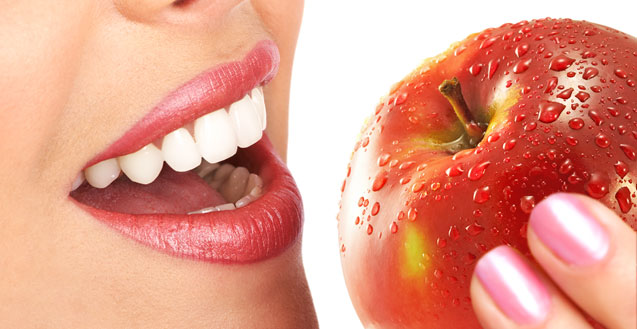
The good guys
Some suggested foods:
-
Fiber-rich fruits and vegetables. Foods with fiber have a detergent effect in your mouth, says the American Dental Association (ADA). They also get saliva flowing. Next to good home dental care, this is your best natural defense against cavities and gum disease. About 20 minutes after you eat something containing sugars or starches, your saliva begins to reduce the effects of the acids and enzymes attacking your teeth. Because saliva contains traces of calcium and phosphate, it also restores minerals to areas of teeth that have lost them from the bacterial acids.
-
Cheese, milk, plain yogurt, and other dairy products. Cheese is another saliva maker. The calcium in cheese, and the calcium and phosphates in milk and other dairy products, help put back minerals your teeth might have lost due to other foods.
-
Green and black teas. Both contain polyphenols that interact with plaque bacteria. These substances either kill or hold back bacteria. This prevents them from growing or producing acid that attacks teeth. Depending on the type of water you use to brew your tea, a cup of tea can also be a source of fluoride.
-
Sugarless chewing gum. This is another great saliva maker that removes food particles from your mouth.
-
Foods with fluoride. Fluoridated drinking water, or any product you make with fluoridated water, helps your teeth. This includes powdered juices (as long as they don't contain a lot of sugar) and dehydrated soups. Commercially prepared foods, like poultry products, seafood, and powdered cereals, also can give fluoride.
The bad guys
Some items to avoid:
-
Sticky candies and sweets. If you eat sweets, go for those that clear out of your mouth quickly. So thumbs down for lollipops, caramels, and cough drops that contain refined sugar. Note: Effects of chocolate on preventing cavities have been widely promoted (largely by studies funded by the candy industry), but not totally proven. Cacao (70%) does have some health benefits. Some studies have shown chocolate to be not as bad as other sugary treats.
-
Starchy foods that can get stuck in your mouth. Soft breads and potato chips, for instance, can get trapped between your teeth.
-
Carbonated soft drinks. These drinks are the leading source of added sugar among kids and teens. Besides being loaded with sugar, most soft drinks contain phosphoric and citric acids that wear away tooth enamel.
-
Substances that dry out your mouth. These include alcohol and many medicines. If medications are the cause, consider talking to your health care provider about getting a fluoride rinse, or a fluoride gel for brushing your teeth.
Eat for a healthy mouth
The ADA offers these tips to help reduce tooth-decay risk from the foods you eat:
-
Consume sugary foods with meals. Your mouth produces more saliva during meals, and this helps to reduce the effect of acid production and to rinse pieces of food from the mouth.
-
Limit between-meal snacks. If you crave a snack, choose something nutritious. Consider chewing sugarless gum afterward to increase saliva flow and wash out food and acid.
-
Drink more water. Fluoridated water can help prevent tooth decay. If you choose bottled water, check the label for the fluoride content.
-
Brush your teeth twice and floss once a day
Tips on How to Protect Your Teeth
(Basic information about tooth decay - Source : http://www.webmd.com)
Your body cannot grow more permanent teeth, so it is important to protect them. Make sure to eat properly, wear a mouth guard if you play sports or grind your teeth, and use care if you get oral piercings. Your teeth are strong, but they – and your mouth in general – need protection.
-
Eating for Your Teeth (not just with them)
-
Mouth Guards
-
Tobacco Damage
-
Oral Piercing
EATING FOR YOUR TEETH (NOT JUST WITH THEM)
Your diet is crucial to oral hygiene. Before your body can use the food, it needs to be chewed up by your teeth. A diet full in nutrients from all the food groups can help protect your teeth.
Sugar, especially in sodas, can cause cavities on your teeth. Limit sugar intake by eating healthier snacks. And, if you do have a lot of sugar in your diet, try and have your sugary foods during a meal, rather than as a snack.
Eating sugars during a full meal is better than during snacking because a full meal produces more saliva, which helps wash away the sugars and break down plaque. Choose healthier snack alternatives such as fruits, vegetables, or cheeses to help protect your teeth between meals.
Avoid chewing on hard objects such as ice or even the ends of pencils. Not only can this weaken the enamel of your teeth, but it can also put you at risk for breaking or cracking a tooth. Your teeth may be strong, but they were really only intended to chew food, so try and break the bad habits of chewing objects that are not edible.
Mouth Guards
If you play contact sports, make sure to use a mouth guard to protect your teeth from getting chipped, broken, or knocked out. A mouth guard absorbs the force of contact – either from an elbow to the face, or even biting your teeth together.
If you grind your teeth while you sleep, you can use a mouth guard to keep your enamel from breaking down. A dentist or a sporting good store can provide a simple mouth guard for your protection.
Tobacco Damage
Tobacco in all forms can cause damage to your mouth and teeth, as well as your entire body. This includes cigars, cigarettes, chew, and dip.
Tobacco can cause tooth discoloration, gum disease, tooth loss, and cancer of the tongue, lips, gums and lungs. Cancer in your mouth from chew can lead to a partial or complete removal of your jaw. (I have seen pictures, it is not a pretty sight.)
The best way to prevent problems is to stay away from tobacco. If you already use tobacco, there are patches and gums to help you quit. Talk to your doctor about the best options for you.
Oral Piercing
Oral piercing usually starts as a fashion statement, but can cause a lot of damage if not taken care of properly. If you decide to get some "mouth art," make sure to protect your mouth.
The first step you can take is making sure that the studio you go to is continually sanitized and any instrument used on your body is sterile. You can tell if the place is sterile because the instruments will usually come straight out of a package or will be placed into a little machine (kind of like a mini-dishwasher) that can deep clean them. This process is also used by dentists to sterilize their equipment, so keep this in mind when you are looking at studios.
Complications during the initial piercing can lead to an infection of your mouth. If a piercing is set improperly, for example, it can lead to chipped teeth or erosion of the teeth and gums.
Surgical grade stainless steel is also recommended for the jewelry because it is least likely to cause infections or allergic reactions.
If you have a tongue piercing, make sure to clean out the piercing every time you eat to prevent bacteria from building up in between your tongue and the piercing. Remove the jewelry so you can clean it and your mouth separately without interference.

